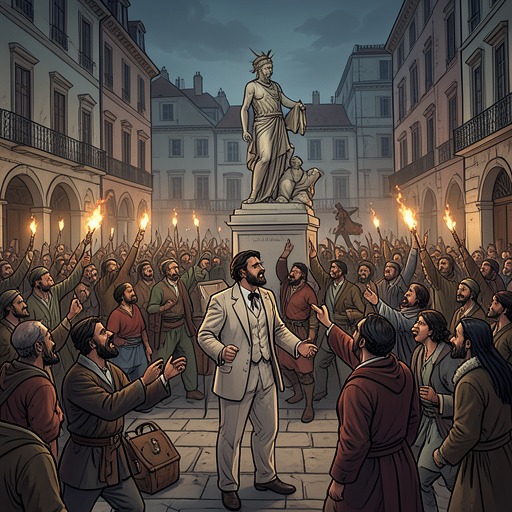
Ephesian believers burn books of magic
Acts of the ApostlesEphesian believers’ public burning of books of magic turns renunciation into an unmistakable communal act: valued at fifty thousand silver coins, the books are destroyed rather than sold, marking a break with the practices of the old age and the temptation to return to them.
Setting and Contrast
The burning follows a contrast between two responses to claims of spiritual power. Seven exorcists who try to use the name of Jesus are overpowered and exposed; believers, by contrast, respond with awe and give up magic. The account sets failed attempts to manipulate power against a changed allegiance expressed in action.
The Books and the Act
The believers collect books containing the spells and formulas used in magical practice and burn them publicly. Their value—fifty thousand silver coins—is considerable: one silver coin equaled a day’s wages. The scale of the loss makes their decision concrete. They do not sell the books, which would have preserved their value while passing the means of magic to others; they destroy them.
Meaning and Consequences
The burning removes both the books and the ready means of returning to the behavior they represent. In the book’s interpretation, magic belongs to the old age, so destroying these costly objects makes the believers’ break with its values materially visible. The act also stands opposite the exorcists’ failed effort to claim the Realm’s freedom without possessing its power: the believers’ response is not a performance of authority, but a costly relinquishment of an old practice.
The account therefore presents conversion as more than inward belief. The believers’ awe leads to a collective decision with a measurable economic cost, and the destruction of the books helps prevent the temptation to resume the former practice. The episode’s interpretive challenge extends to the congregation: the question is whether it is ready to give up its own ties to old-age values and practices, rather than simply renaming them.